COLLECTED WORKS GLEN SCHOFIELD
The artist-turned-producer reflects on 30 years with very little dead space
By Chris Schilling
BARBIE: GAME GIRL
Developer Imagineering Publisher Hi Tech Expressions Format Game Boy Release 1992
GEX 3D: ENTER THE GECKO
Developer/publisher Crystal Dynamics, Midway Games Format Game Boy Color, N64, PC, PS1 Release 1998
THE LORD OF THE RINGS: THE RETURN OF THE KING
Developer/publisher EA (Redwood Shores) Format GameCube, PC, PS2, Xbox Release 2003
JAMES BOND 007: FROM RUSSIA WITH LOVE
Developer/publisher EA (Redwood Shores) Format GameCube, PS2, Xbox Release 2005
DEAD SPACE
Developer/publisher EA (Redwood Shores) Format PC, PS3, Xbox 360 Release 2008
CALL OF DUTY: MODERN WARFARE 3
Developer Sledgehammer Games Publisher Activision Format PC, PS3, Xbox 360 Release 2011
CALL OF DUTY: WWII
Developer Sledgehammer Games Publisher Activision Format PC, PS4, Xbox One Release 2017
THE CALLISTO PROTOCOL
Developer Striking Distance Studios Publisher Krafton Format PC, PS5, Xbox Series Release 2022
GlenSchofield was confident when he applied for his first job in the game industry some 30 years ago. “I can do this,” he remembers telling himself. “Little did I know how hard it was!” Either way, he could hardly have imagined that, three decades later, he’d have worked with some of the world’s biggest brands: from Barbie to Bond, Disney to Call Of Duty.
Having gained a degree in commercial art from Brooklyn’s prestigious Pratt Institute, he started his career as an illustrator in New York before moving to a multimedia company where he learned about computer graphics, using tools such as DPaint. When he was given a commission to illustrate covers for Game Boy games, his career path was set.
Making games was, of course, very different back then: at the time, he says, he could be involved in as many as eight releases per year. In his role as art director at Absolute Entertainment, most games were made by just two people: an artist and a programmer. “In most cases, the artist was the designer; the engineer mostly spent time implementing the game, and they would also do the music at that time. They had their hands pretty busy. So I ended up designing all the time.”
A move to California to become art director at Capcom America in 1994 proved transformative, even though he only worked on one game there, contributing art to Street Fighter: The Movie. “I was the third guy hired there. They hired the president, the vice president, and then me, the art director. And guess who had to do all the work! I was painting the walls, buying equipment and all sorts of things. But it taught me a lot about setting up a studio, which I used in my later years.”
After joining Crystal Dynamics, Schofield led his first project, directing Gex 3D: Enter The Gecko, where he worked with Evan Wells and Bruce Straley, latterly of Naughty Dog fame. Schofield directed six games there, running the studio for a while before another move to EA, where he assumed production roles on several big-name licences, from James Bond to Lord Of The Rings.
“THOSE WERE THE WILD WEST DAYS OF MAKING GAMES – YOU COULD DO ALMOST ANYTHING”
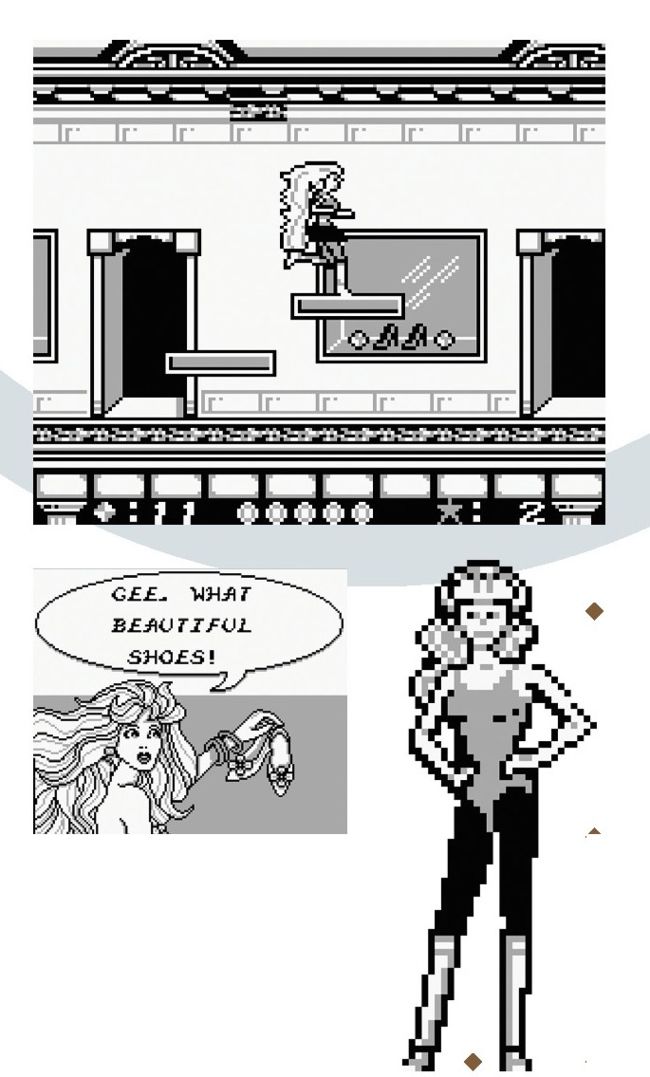
By the time he left Absolute Entertainment, Schofield had contributed art to more than ten games over three years, from Barbie: Game Girl to
1994’s Home Improvement: PowerTool Pursuit!
But it was with a new idea that Schofield made arguably the defining game of his career: 2008 chiller Dead Space. “My elevator pitch was: I want to make Resident Evil in space,” he grins. With its brilliant diegetic interface and grisly ‘strategic dismemberment’, it earned Schofield some of the best reviews he’d ever had.
Following a stint at Sledgehammer developing three Call Of Duty games, it’s no surprise that he’s returning to sciencefiction horror with The Callisto Protocol. And despite the demands of his role as a studio head, he’s still unable to resist getting involved in art and design – hopefully without becoming too much of a backseat art director. “I don’t want to be too prescriptive, because I’ve got some great people on the team. I won’t tell them exactly what to do if I don’t like something. But I’ll tell them if it’s a little off.” As an artist, Schofield has always recognised the importance of fine details; as he reflects on his career to date, it’s clear that’s what got him where he is today.