THE LOWDOWN: ABBA
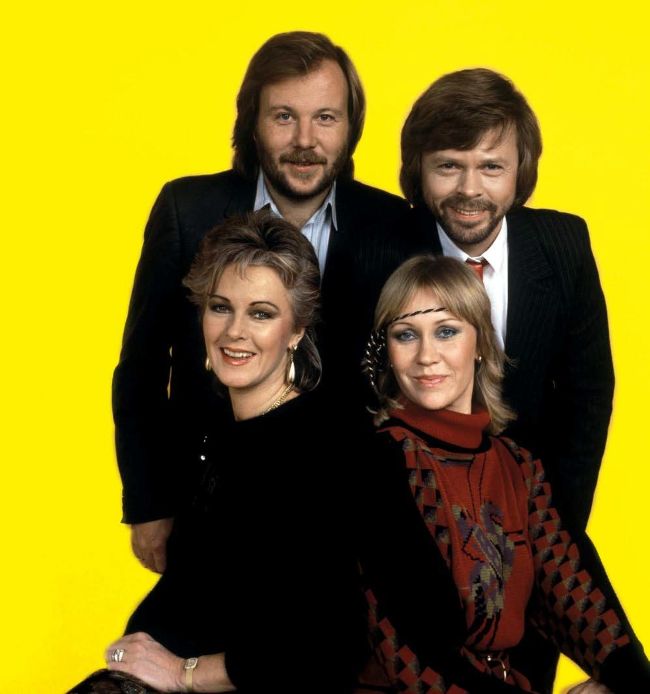
SWEDEN’S FAB FOUR GOT THEIR BIG BREAK AT EUROVISION IN 1974 AND WENT ON TO DOMINATE THE GLOBAL POP LANDSCAPE FOR THE FOLLOWING EIGHT YEARS, SHIFTING HUNDREDS OF MILLIONS OF SINGLES AND ALBUMS. THEY SPLIT IN 1982 BUT, TO THE DELIGHT OF FANS, HAVE JUST ANNOUNCED TWO NEW SONGS THAT WILL BE PERFORMED BY THEIR HOLOGRAM ALTER-EGOS IN A BBC TV SPECIAL THIS DECEMBER
DAVID BURKE
© Getty Images
The ABBA story begins in 1966, when Björn Ulvaeus met Benny Andersson for the first time. Ulvaeus was a member of folk outfit The Hootenanny Singers, while Andersson played keyboards in The Hep Stars. They wrote their first song together later that year, and, by the end of the 60s, collaborated regularly. Fast-forward three years and step forward the two women who would become the perfect foil for Ulvaeus and Andersson’s compositions, as well as their respective spouses. They were Agnetha Fältskog, already a successful solo singer, and Anni- Frid Lyngstad, a then-fledgling recording artist.
In 1973, under the mentorship of Polar Music impresario Stig Anderson, the quartet became ABBA, not only an acronym of their first names, but also the name of a Swedish canned fish company (with whom the group reached an agreement in order to secure the moniker).
ABBA were chosen to fly the flag for Sweden at the Eurovision Song Contest in 1974 – having missed out on national selection 12 months earlier with Ring Ring – and went on to triumph with Waterloo. The song went to No.1 in the UK and across Europe, even making No.6 on the US Billboard chart.
Their next four singles failed to chart in the UK, until I Do, I Do, I Do, I Do, I Do peaked at a modest No.38. Then came SOS, from their eponymouslytitled third album, and ABBA’s gradual, unstoppable elevation to superstar status.
Between 1975 and 1981, ABBA chalked up eight chart toppers – including Mamma Mia, Fernando and The Name Of The Game – and nine Top 10 entries on this side of the Atlantic, in addition to claiming pole position Stateside with Dancing Queen.
There were sell-out tours, a movie and a relentless work schedule, which ultimately took its toll on the two marriages that anchored ABBA, as well as on the band itself. According to Carl Magnus Palm, internationally renowned authority on the foursome: “Everyone started feeling that ABBA had run their course.”
Although they never officially split, ABBA’s final single was 1983’s Thank You For The Music. However, as well as a hotly-anticipated 2019 tour, where holographic ‘Abbatars’ will perform their songs across the globe, the quartet surprised the world earlier this year by announcing they had recorded two new songs, which will be aired on a special BBC TV show this winter.
”There were sell-out tours, a movie and a relentless work schedule which ultimately took its toll on the two marriages that anchored ABBA, as well as on the band itself”