Structural systems: the options
Your choice of build method will impact on your project’s time frame, cost and result. Here are the main systems and how they work
TIMBER FRAME
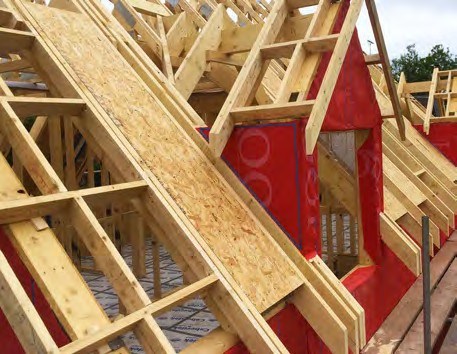
Versatility in terms of design, costs and package options makes timber frame a popular method for self builders.
FRAME TECHNOLOGIES
HANSE HAUS
Key benefits
l There are lots of suppliers out there offering a range of package options specifically tailored for self builders.
l You can be involved in as much or little of the project as you want - from simply specifying the manufacturer to supply and erect the frame through to buying a turnkey package where the company looks after everything for you, handing you the keys to your new bespoke home at the end.
l Buying a package upfront means you’ll confirm costs before work starts, offering you more certainty for overall project budgeting.
l The amount of work completed on site is flexible. An open timber frame will have the insulation, services, windows etc installed on site. Alternatively, closed designs have more elements fitted in the factory.
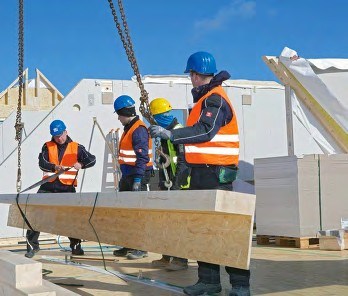
l Off-site manufacture allows groundworks and foundations to progress on site while the structural frame is being cut .
l Once delivered to site, the shell can be put together very quickly.
l Good energy efficiency and airtightness are easily achievable.
Main considerations
l Most turnkey packages don’t include work on site before the timber frame arrives, such as groundworks and foundations.
l Changing things once the shell is in place can be complicated and costly - especially if you’ve got a closed panel system.
MASONRY
Some self builders favour the familiarity of building with brick and block, and this traditional method remains fit for purpose.
Key benefits
l Lots of builders have experience with masonry.
l Brick is a traditional option, but it doesn’t have to look as such - many modern homes have been built with this method; it doesn’t even need a brick external finish.